
Long Beach and the surrounding Nassau County area
Mold Removal in Long Beach, NY
Mold on the Long Beach barrier island is usually a building and moisture problem, not a housekeeping one. Salt air, bay-side humidity, nor'easters, and older crawl spaces and flood vents keep wood and drywall wet long enough for growth. This site introduces licensed New York mold assessment and remediation help for Long Beach and nearby South Shore towns.
Request a Quote
Tell us what you are seeing and which part of the building it is in. On a barrier island the room matters as much as the stain, and that is usually enough for us to say which licensed trade you actually need.
Would you rather talk it through? Call (315) 640-3590, answered 24/7.
$100 off your first job
Credited by us on your first booked job.
- One credit per customer per property, on your first booked job.
- Valid through December 31, 2026.
Mention this offer when you book. Full terms.
Services
Start with what the house is doing: damp crawl space, post-storm water, or a musty wall. Then match assessment or remediation under New York split-license rules.
Mold Inspection and Assessment
Find out whether there is a job here at all, how far the damp material actually runs, and what the written scope says, before anyone is paid to pull a wall apart.
Start here if you can see it or smell it, and nobody has written down what the work is yet.
About Mold Inspection →Mold Removal and Remediation
Get the growth and the material holding it out of the building, in the order New York's licensing rules set, and get an independent clearance report at the end of it.
Start here if an assessor has written the plan, and you need it carried out properly.
About Mold Removal →Water Damage Restoration
Get the water out and the structure dry while drying is still the whole job, and get what happened written down for the claim.
Start here if something is wet right now, or got wet in the last few days.
About Water Damage Restoration →Not sure whether you need a report or a removal?
Describe the space and what is in it. We will tell you which of the two this is, and whether the answer is that you handle it yourself.
How the work runs
New York sets the order. This is what that looks like from your side of it.
Tell us what you are seeing
Call, or send the form with your ZIP code and a short description. We work out whether this is an assessment job, a removal job, or a drying job before anyone comes out to look at it.
An independent assessment first
Above ten square feet New York requires a licensed assessor who is not the remover. They identify the water feeding the growth and produce the written plan the removal has to follow.
Removal to that plan, then clearance
A licensed remediation contractor works to the assessor's plan. The assessor returns to check the work before containment comes down, so the sign-off is not given by whoever was paid to do the removal.
What makes this a local problem
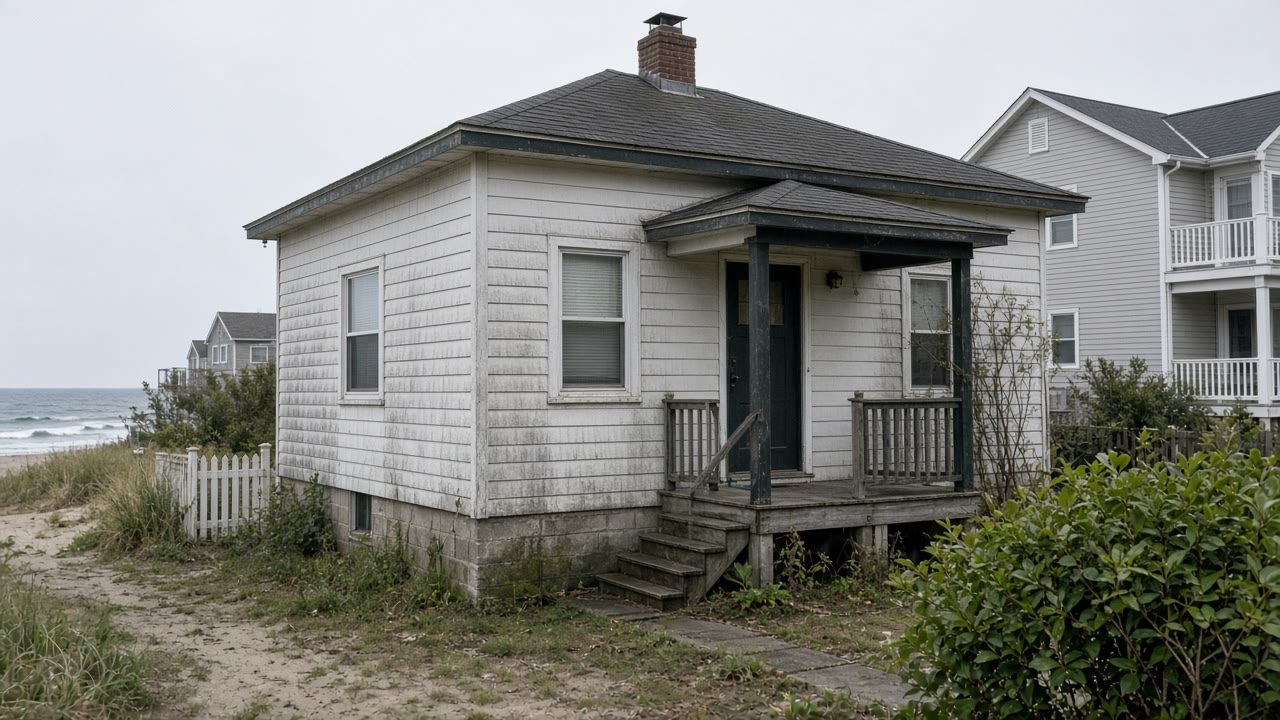
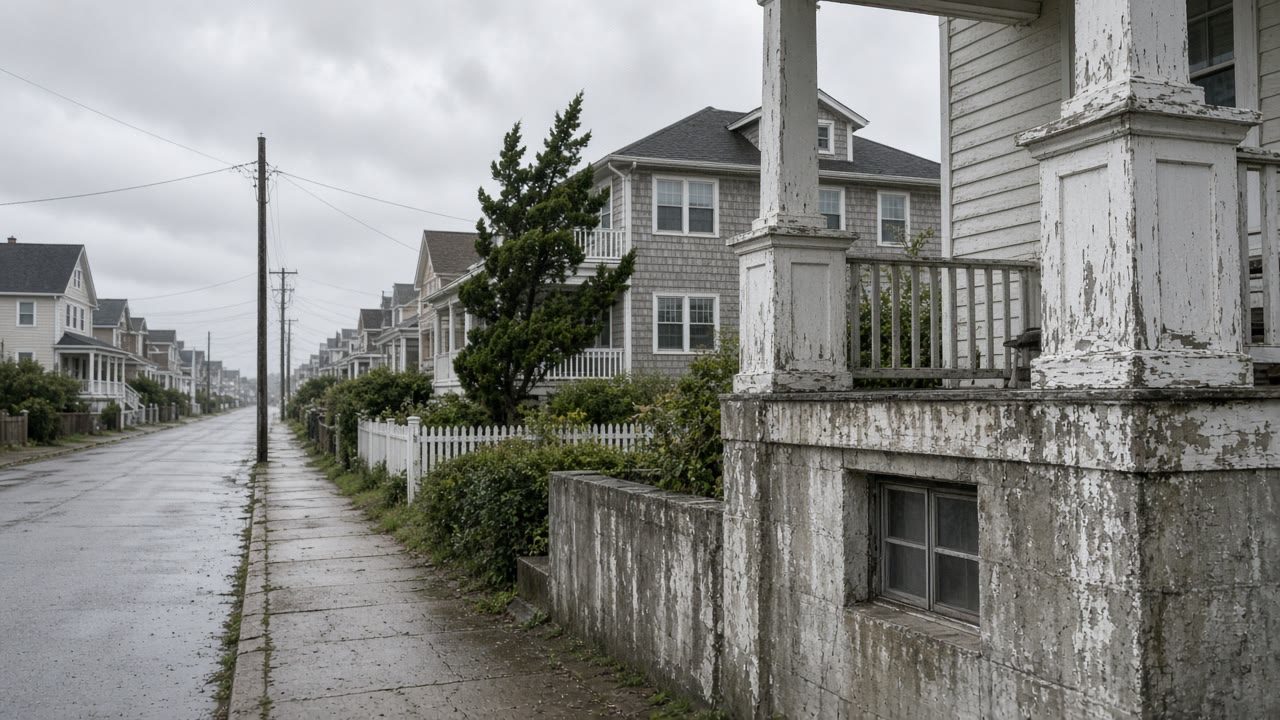
Federal flood regulation at 44 CFR 60.3(c)(5), quoted in FEMA NFIP Technical Bulletin 1, requires that a fully enclosed area below the lowest floor of a new or substantially improved building be designed to let floodwater in and out on its own, with at least two openings totaling one square inch of net open area for every square foot of enclosed area, the bottom of each opening no higher than one foot above grade.
Source: FEMA, NFIP Technical Bulletin 1, March 2020, accessed 2026-09-14
FEMA states that an enclosed area below an elevated building in a special flood hazard area may be used solely for parking of vehicles, building access such as a stairwell or foyer, and storage recommended to be limited to low value items, and adds that the NFIP regulations do not list crawlspaces and under floor spaces as allowable uses of enclosed areas. It then lists the features that are not allowed below the base flood elevation: appliances, heating and air conditioning equipment, ventilation, ductwork, plumbing fixtures, materials that are not flood damage resistant, and more than the minimum electric service needed for vehicle parking, building access or storage. FEMA states that a compliant enclosed area can be rendered non compliant by installing them.
Source: FEMA, NFIP Technical Bulletin 1, March 2020, accessed 2026-09-14
FEMA records that some communities require a permittee to sign a non conversion agreement acknowledging that the allowed use of an enclosure is limited, that conversion to other uses is not allowed, and that modifying an enclosed area may render the building non compliant with minimum requirements and result in higher NFIP flood insurance rates.
Source: FEMA, NFIP Technical Bulletin 1, March 2020, accessed 2026-09-14
FEMA states plainly that insulation is not a flood resistant material, that the recommended practice is to elevate the bottom of the joists and all insulation above the base flood elevation, and that saturated insulation often pulls away from the joists and flooring and can drag ductwork with it.
Source: FEMA, NFIP Technical Bulletin 11, November 2001, accessed 2026-09-14
FEMA caps the height of a below grade crawlspace at four feet from interior grade to the top of the foundation wall and states the reason in the guidance itself: the limit will also prevent these crawlspaces from being converted into habitable spaces.
Source: FEMA, NFIP Technical Bulletin 11, November 2001, accessed 2026-09-14
FEMA names the outcome directly: where water remains standing in a crawlspace after precipitation or a flood event, moisture damage to a building can be severe and the standing water creates significant health hazards including growth of bacteria, mold and fungus. FEMA recommends the space drain within 72 hours.
Source: FEMA, NFIP Technical Bulletin 11, November 2001, accessed 2026-09-14
Why assessment and removal stay separate in New York
Above ten square feet, New York does not let one company inspect the mold and then remove it. The assessor writes a scope of work, and a separate licensed contractor prices and performs that scope.
It feels like a hurdle. It is closer to a protection. The person deciding how much work is needed has nothing to gain from the answer being expensive, and the person doing the work is quoting against a document you also hold.
What we do is run that sequence in the right order, so nobody arrives to price a removal that has not been specified yet.
Why homeowners call us first
We tell you which job you actually have
Assessment, removal and drying are three separately licensed activities. Most callers need one of them rather than all three, and starting with the wrong one is money spent twice.
The order stays lawful
New York bars one licensee from assessing and remediating the same property, and bars common ownership across the two. Keeping those parties genuinely separate is the part a homeowner cannot easily verify alone.
No price for removal before there is a plan
Until an independent assessment exists, a number for removal work is a guess dressed as a quote. We would rather tell you that on the phone than put it in writing later.
We follow the moisture source, not just the mold
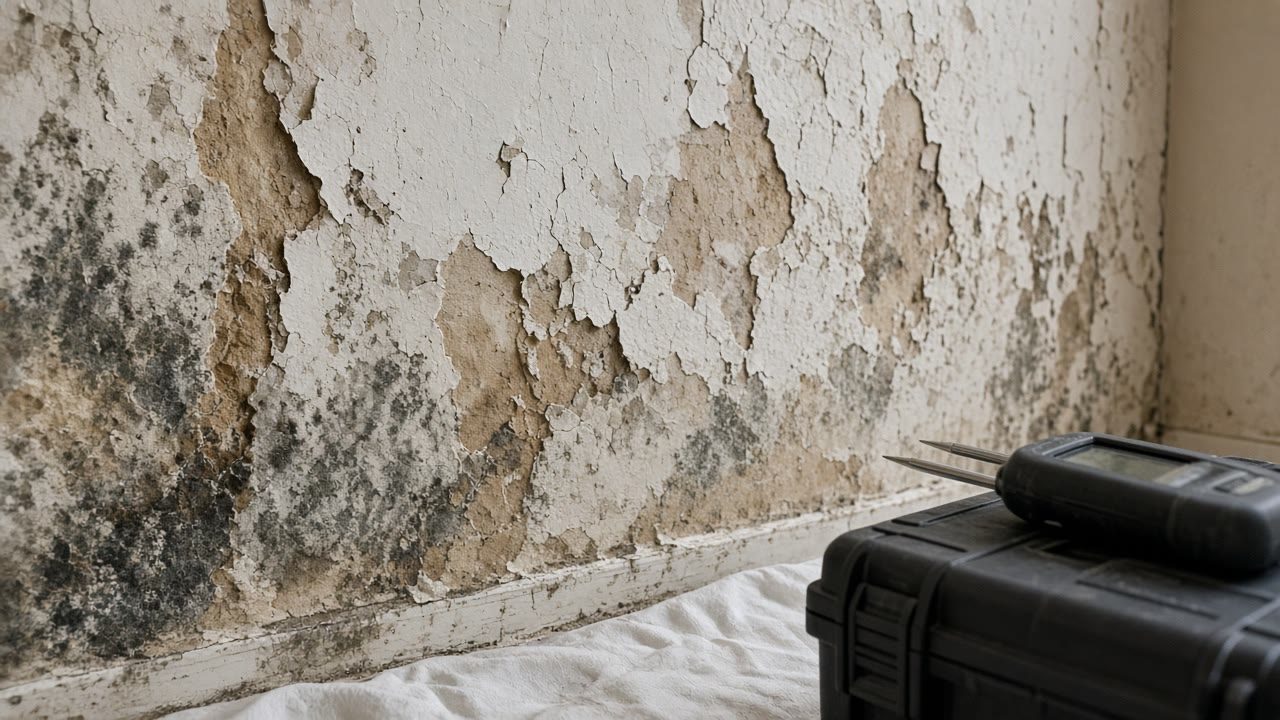
Control of indoor mold growth is control of moisture. A removal carried out over a source that has not been fixed will regrow on whatever stays wet, so the water comes first.
Coverage across Long Beach and the surrounding Nassau County area
The questions people ask before they call
Do I need a mold inspection before removal in New York?
Usually yes. New York separates assessment and remediation licenses, so the same company often cannot do both. Start with assessment when the law requires it, then remediation.
Does Long Beach flood risk change mold work?
Coastal storms, flood vents, and damp crawl spaces keep materials wet. Drying and fixing the moisture source matters as much as cleaning visible growth.
Can you help with a co-op or rental in Long Beach?
Yes. Building rules and landlord or board notice often apply. We help you understand the sequence so the right licensed party is called.
Start with the space, not the stain
Tell us where in the building it is and whose decision the repair is. Phones are answered 24/7.