
Flood Vents, Crawl Spaces, and Mold in Long Beach
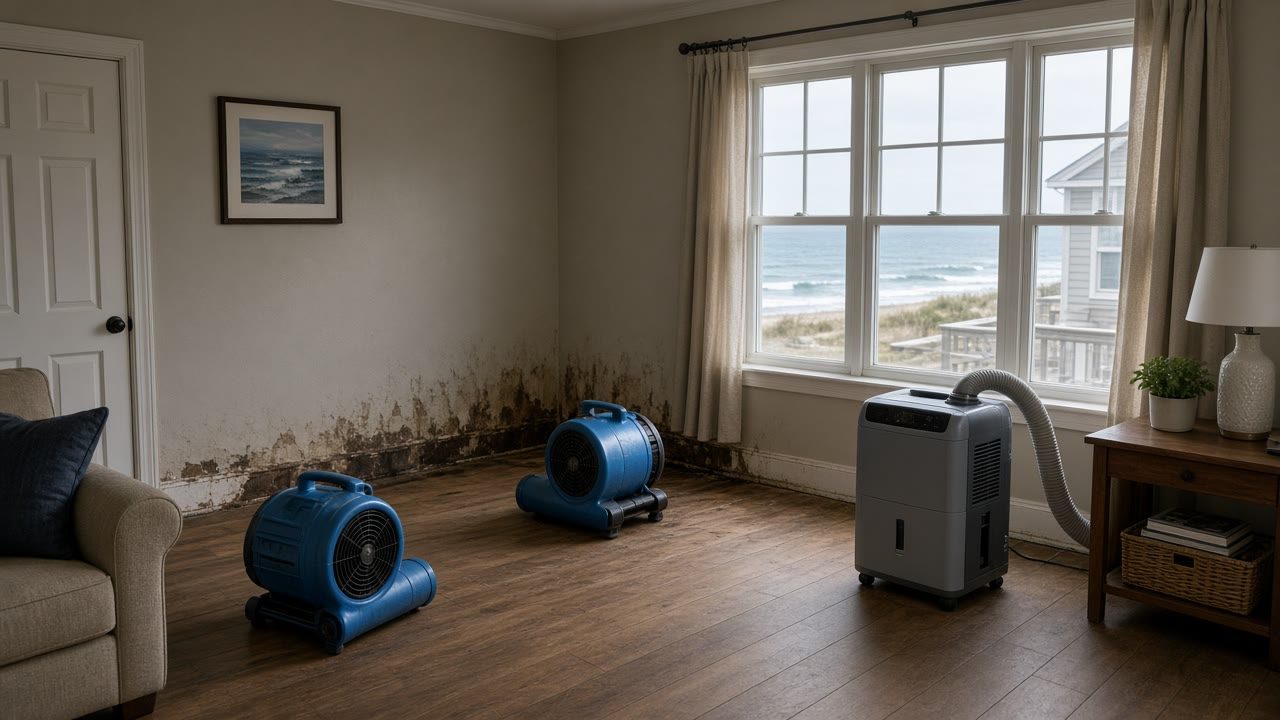
Flood openings keep stormwater from crushing foundation walls, but they also keep the crawl space wet and ventilated with humid air. That combination is a common mold driver under Long Beach homes.
Already know you need someone out? Call (315) 640-3590, answered 24/7.
What flood vents are for
In flood-prone zones, openings near grade let water pass through enclosed areas under the house. That is a structural requirement, not optional decoration. The same openings admit moist air and storm splash that wet joists, insulation, and stored materials.
Why mold shows up there
Standing or lingering moisture under the house, plus limited drying after a storm, is enough for growth on wood and fibrous insulation. FEMA guidance flags standing water and wet materials as mold risk after flooding.
What to do next
Document what you see, dry what you can safely, and get a New York mold assessment when the situation meets the state sequence. Remediation comes after assessment when the law requires the split.
Sources used in this guide
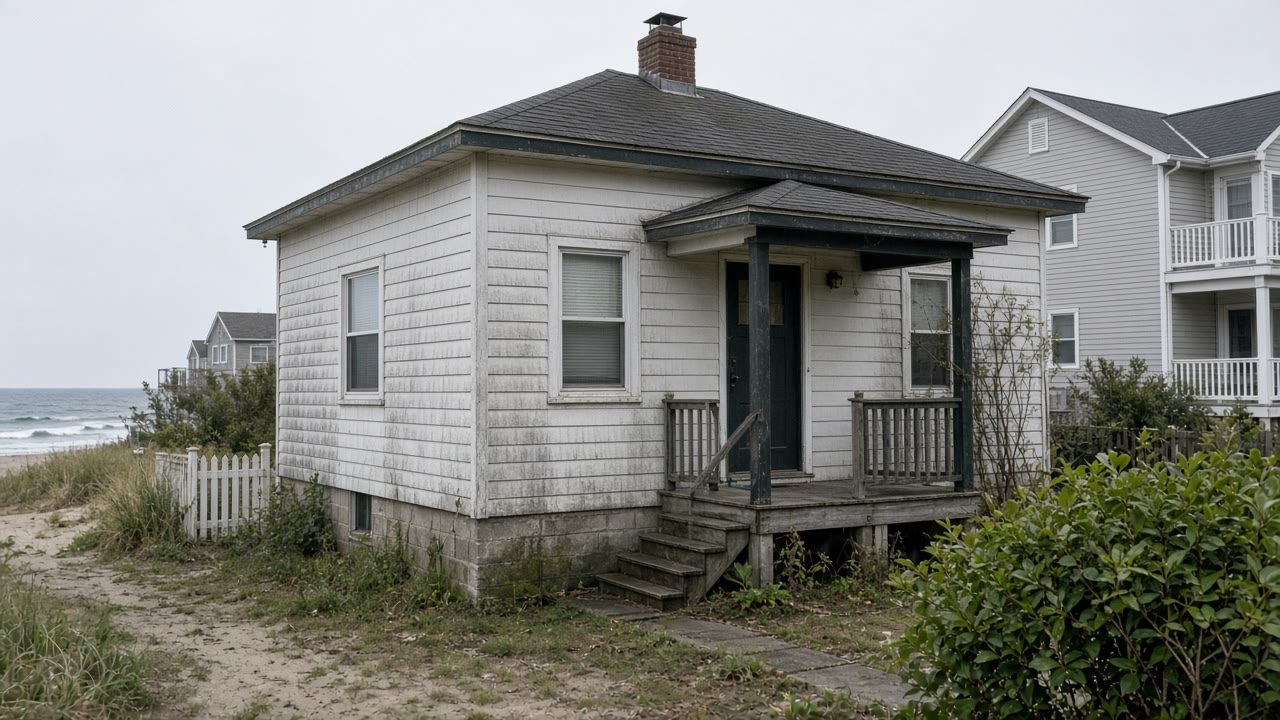
Federal flood regulation at 44 CFR 60.3(c)(5), quoted in FEMA NFIP Technical Bulletin 1, requires that a fully enclosed area below the lowest floor of a new or substantially improved building be designed to let floodwater in and out on its own, with at least two openings totaling one square inch of net open area for every square foot of enclosed area, the bottom of each opening no higher than one foot above grade.
Source: FEMA, NFIP Technical Bulletin 1, March 2020, accessed 2026-09-14
FEMA names the outcome directly: where water remains standing in a crawlspace after precipitation or a flood event, moisture damage to a building can be severe and the standing water creates significant health hazards including growth of bacteria, mold and fungus. FEMA recommends the space drain within 72 hours.
Source: FEMA, NFIP Technical Bulletin 11, November 2001, accessed 2026-09-14
Long Beach City Code Sec. 7-228(f)(3) requires an enclosed area below the lowest floor in Zone AE to have at least two openings totaling one square inch per square foot of enclosed area, the bottom of each no higher than one foot above the lowest adjacent finished grade, and openings not less than three inches in any direction. The City also defines a crawl space as an area that shall be properly vented to allow for the equalization of hydrostatic forces, and states that enclosed areas sub grade on all sides are considered basements and are not permitted.
Source: City of Long Beach Code of Ordinances, Sup. 87, accessed 2026-09-14
FEMA states plainly that insulation is not a flood resistant material, that the recommended practice is to elevate the bottom of the joists and all insulation above the base flood elevation, and that saturated insulation often pulls away from the joists and flooring and can drag ductwork with it.
Source: FEMA, NFIP Technical Bulletin 11, November 2001, accessed 2026-09-14
Services this guide relates to
Need someone to look at it?
Send the details and we will come back to you.