
Long Beach and the surrounding Nassau County area
Water Damage Restoration and Flood Cleanup in Long Beach, NY
Get the water out and the structure dry while drying is still the whole job, and get what happened written down for the claim.
Water Damage Restoration quote
Tell us when the water came in, where it came from, and which part of the building it reached. Photos say more than adjectives, so send the ones your phone already took.
Would you rather talk it through? Call (315) 640-3590, answered 24/7.
$100 off your first job
Credited by us on your first booked job.
- One credit per customer per property, on your first booked job.
- Valid through December 31, 2026.
Mention this offer when you book. Full terms.
What drying involves, and the clock it runs on
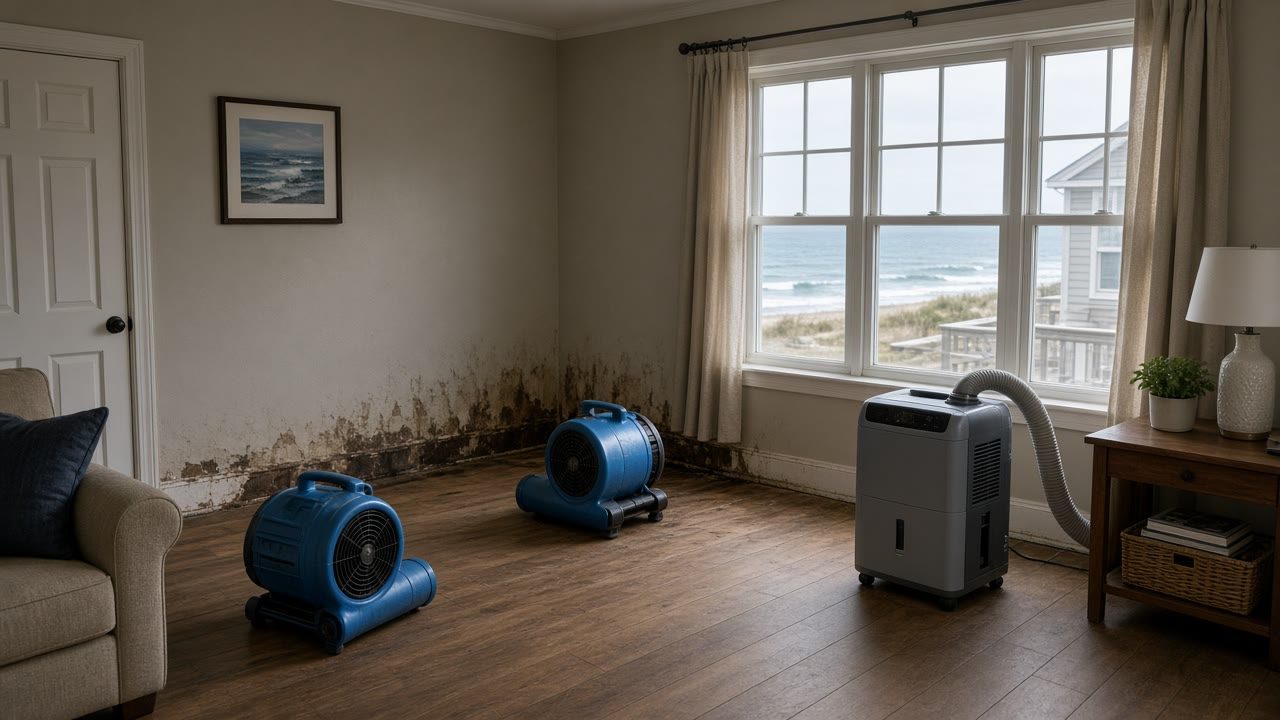
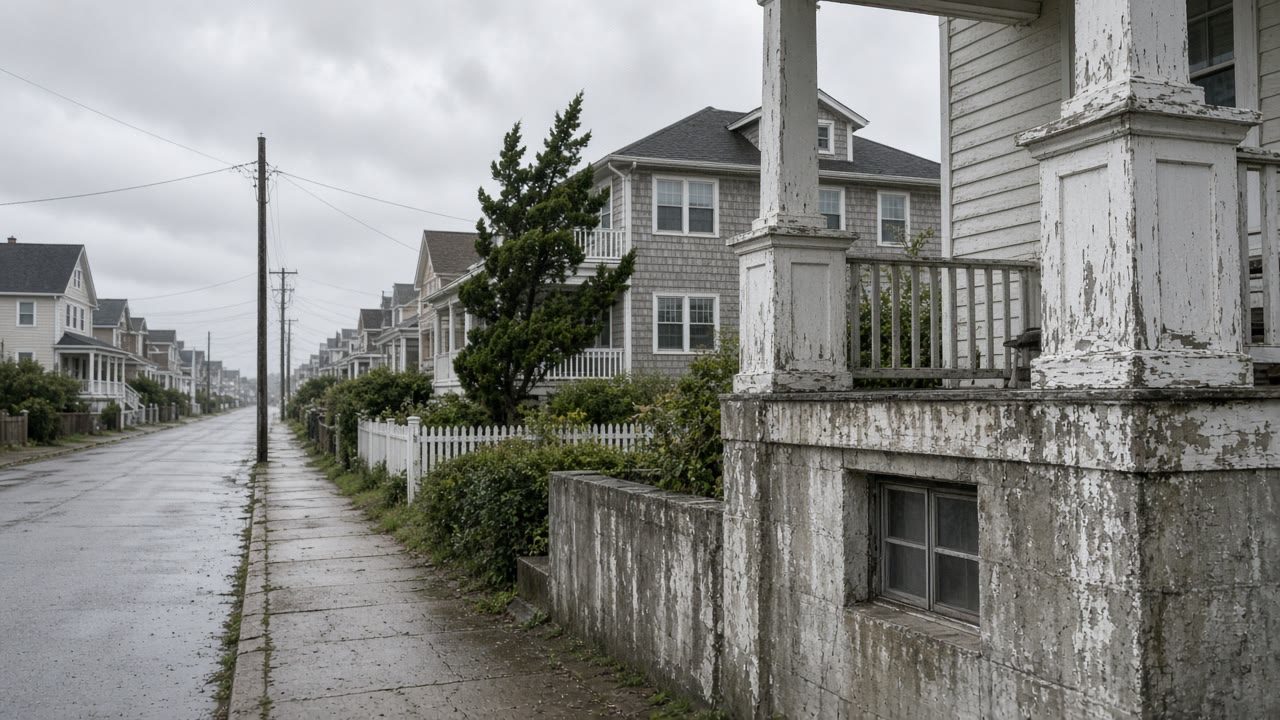
This is the fast half of the trade: extraction, removal of material that cannot be dried in place, then air movers, dehumidification and daily moisture readings until the structure reads dry. It runs on a different clock from a mold job and usually answers to a different insurer. FEMA says a crawl space should drain within 72 hours, and that where water stands after rain or a flood the moisture damage to a building can be severe, creating health hazards including growth of bacteria, mold and fungus. Water here does not only arrive through the roof. The City's own Comprehensive Plan describes four vectors: rainfall from above, surge from Reynolds Channel on the bayside, surge from the Atlantic, and standing water from the fresh water lens beneath the City, and says that because of the high water table flooding is a regular occurrence.
- Extraction of standing water from lower levels, garage levels and under-house enclosures
- Pump-out and drainage where the water table rather than a pipe is the source
- Removal of wet material that cannot be cleaned and dried thoroughly in place
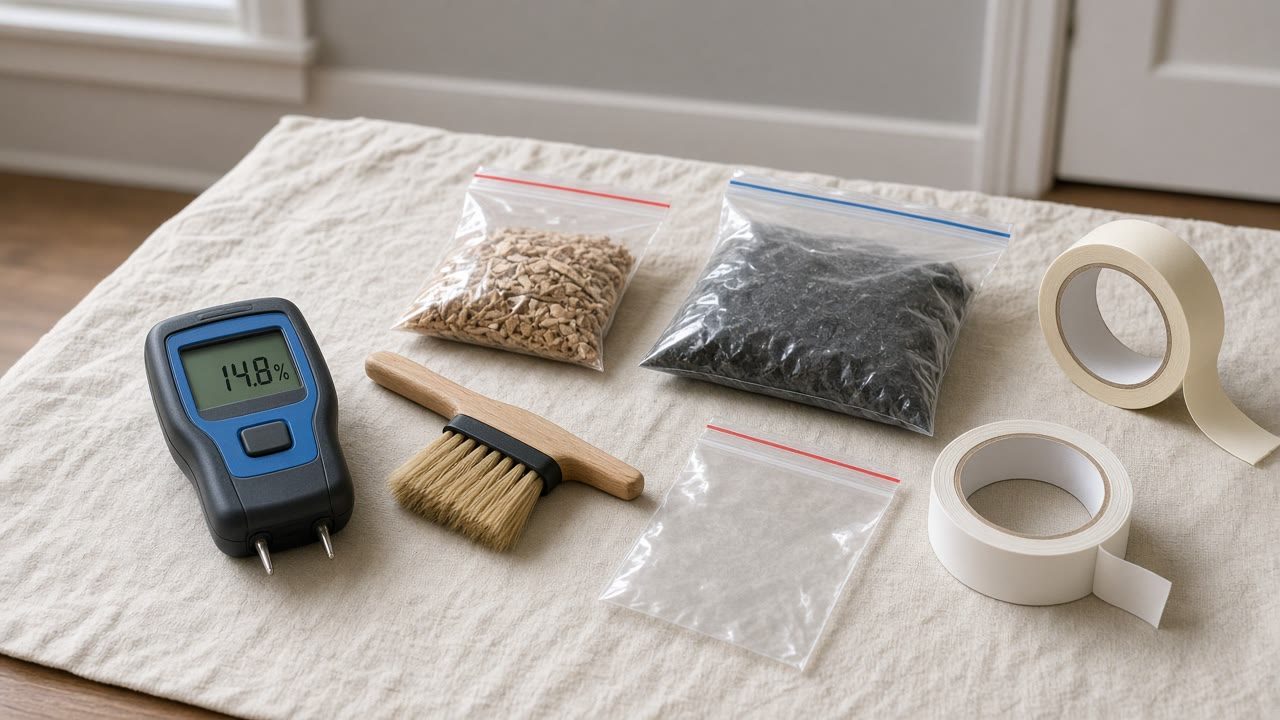
- Structural drying with air movers and dehumidifiers, with moisture readings recorded rather than eyeballed
- Drying a vented flood enclosure, which behaves nothing like a sealed basement and cannot be closed up
- Storm and tidal water cleanup, where what the water touched decides what stays and what goes
- Protecting or removing what is left in the space so the next high tide does not repeat the loss
- A written record of when the water came in, what was wet and what was taken out, for the insurer
- Final moisture readings, so you know whether drying finished or simply stopped
What decides how hard a house is to dry here
Drying is priced by how much material is wet, how wet it is, and how hard the space is to dry. On a barrier island the last of those three is the one that surprises people.
How long the material has already been wet
FEMA recommends a crawl space drain within 72 hours and names standing water as a source of severe moisture damage and of bacterial and fungal growth. The clock belongs to the material, not to anybody's schedule.
Where the water came from
A burst supply pipe, a wind-driven rain event and a rising water table are three different jobs. The City states that a high water table will continue to cause regular flooding and increase hydrostatic pressure under foundations and slabs, which is water you cannot switch off at a valve.
Whether the wet space is a vented enclosure or a closeable room
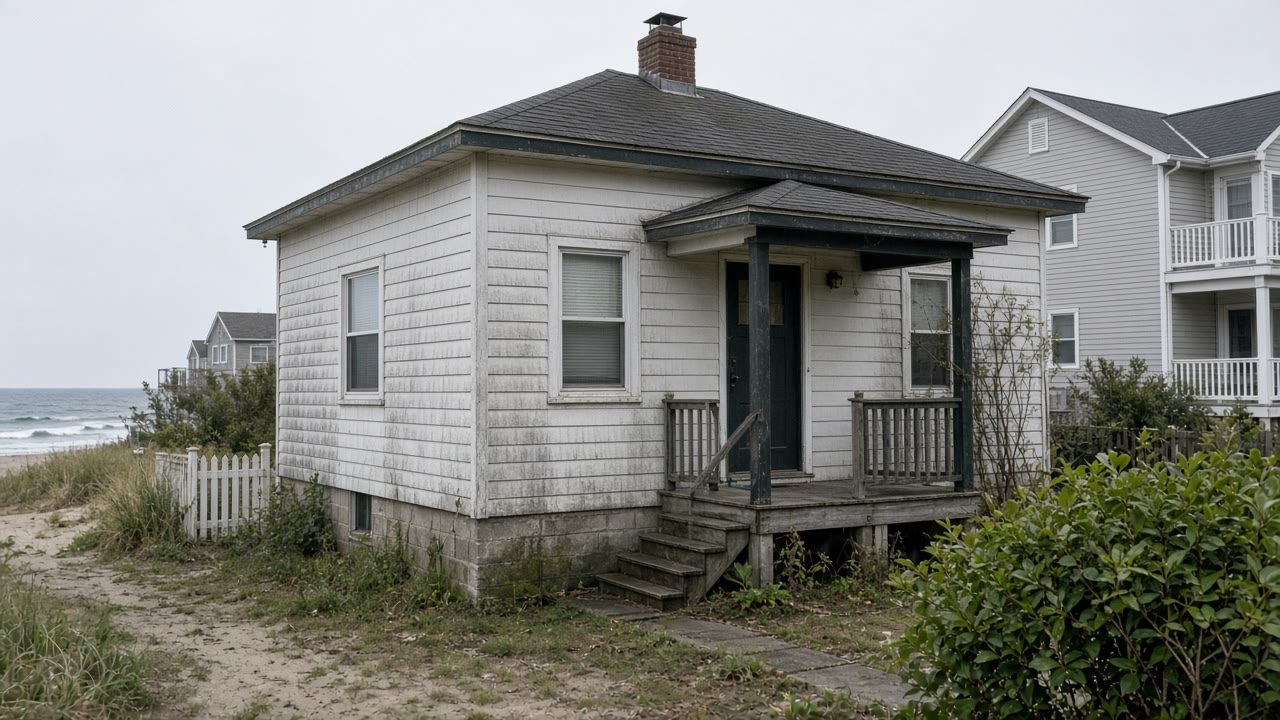
An enclosure below the lowest floor has to stay permanently open, and the outdoor air it breathes sits at a dew point of 60 F or higher for 1,975 hours a year at the nearest long-record station. Dehumidification aimed at a space that cannot be shut is money spent on the weather, so the drying targets the material instead.
What the water actually touched
Slab, block and framing dry. Insulation, carpet, drywall, paper and stored contents often do not, and New York State Department of Health says wet material that cannot be cleaned and dried thoroughly should be discarded.
Whether appliances, ductwork or equipment were in the water
FEMA lists appliances, heating and air conditioning equipment, ventilation, ductwork and plumbing fixtures among the features not allowed below the base flood elevation, and notes an enclosure can be made non compliant by installing them. If they were down there and got wet, the drying question and the compliance question arrive together.
Whether the address is inside the mapped flood zone
1,092 of Long Beach's 8,440 paid flood insurance claims were on properties outside the special flood hazard area, in zones B, C or X. The map is a regulatory line, not a description of where the water goes.
Whether anyone was in the house when it happened
Atlantic Beach is 38.8 percent vacant and Point Lookout 37.2 percent, against 4.4 percent across Nassau County. A shore house that took water in July and is opened in September is a materially different job from one caught the same afternoon.
Water in now, or water in last week?
The answer changes what you should be doing this afternoon. Tell us which, and we will say what the next step is.
What happens first, second and third after water gets in
Write down when the water came in
Before anything is moved, note the date, the time and where it came from, and photograph it. Your insurer will ask what happened and what you did next, and this is the one step in the whole job that costs nothing.
Stop the inflow if it can be stopped
A valve, a hose, a failed appliance or a roof opening can be stopped. Tide, rain and a rising water table cannot, and the plan changes accordingly: the work becomes protecting and clearing rather than defending.
Extract and pump
Standing water comes out first. Where the surrounding ground is saturated, pumping is paced against what is going to come back in.
Take out what cannot be dried in place
Saturated insulation, carpet, pad and soaked drywall are removed rather than blown at. FEMA notes saturated insulation often pulls away from the joists and can drag ductwork with it.
Dry the structure and measure it
Air movers and dehumidifiers are placed to the material that is wet, with readings taken each day. In a vented enclosure the target is the framing and the ground surface, not the whole volume of outdoor air moving through it.
Confirm it is dry in writing
Final readings on the same materials that were measured at the start. Appearance is not a reading, and a dry surface over damp sheathing is the most common false finish in this trade.
If growth has taken hold, the job changes hands
Over about ten square feet, New York treats mold work as a licensed project, and the assessment has to come before the removal. That is a different contractor, in a set order, and the drying record is what they work from.
What water damage restoration looks like
When you may not need anyone, and what drying does not include
When you may not need this at all
- A small clean-water spill you caught the same hour, on a hard floor, with nothing porous wet, is usually a mop, a fan and an open window.
- If water is still coming in, drying is premature and the money is better spent stopping the inflow or waiting out the tide.
- If the only wet things are stored items in a space the code requires to be open to the weather, the honest answer is often to take them out and keep them out rather than to dry the space.
- If growth is already established over more than about ten square feet, this is not the service you need first. New York treats that as a mold project and a licensed assessment comes before any removal.
- A residential property owner is allowed to do mold cleanup on their own property at any size, so if it is your own house and the area is small, the state does not require you to hire anyone.
- Read your own policy before you commission work. Flood and long-term dampness are handled differently from a sudden pipe failure, and we do not decide what your insurer pays for.
What is out of scope
- Deciding what a homeowners or flood policy covers, or negotiating with an adjuster.
- Mold assessment and mold removal where growth is already established beyond ten square feet. Those are separately licensed in New York and are arranged in that order.
- Permanent repairs: roof, siding, windows, plumbing, foundation and site drainage.
- Rebuilding, refinishing and reinstating what came out, including the City permit that work needs.
- Sealing the flood openings under an elevated house or finishing that space out as a dry room. The City's ordinance requires the space to stay open and, in the VE zone on the ocean front, bars human habitation there outright.
- Sewage and contaminated water work beyond what a drying plan covers, which is a separate specialty.
- Contents restoration of furniture, documents and electronics.
Where we arrange water damage drying
- Water Damage Restoration in Long Beach
- Water Damage Restoration in Lido Beach
- Water Damage Restoration in Point Lookout
- Water Damage Restoration in Atlantic Beach
- Water Damage Restoration in Island Park
- Water Damage Restoration in Oceanside
- Water Damage Restoration in East Rockaway
- Water Damage Restoration in Baldwin
- Water Damage Restoration in Freeport
- Water Damage Restoration in Rockville Centre
- Water Damage Restoration in Merrick
- Water Damage Restoration in Valley Stream
What people ask when the water is still on the floor
How quickly does drying have to start?
Sooner is better and the reason is physical, not commercial: FEMA recommends a crawl space drain within 72 hours and states that standing water after rain or a flood can cause severe moisture damage and create health hazards including growth of bacteria, mold and fungus. We do not control a contractor's schedule, so nobody here will promise you an arrival time. Phones are answered 24/7 and we will tell you honestly where you are in the queue.
It is a crawl space under the house, not a basement. Does it still need drying?
Yes, and it is dried differently. The space is required to have permanent openings so floodwater can enter and leave, so it cannot be sealed and dehumidified like a room. FEMA wants it draining within 72 hours, and the work is aimed at the framing, the ground surface and whatever material is holding water, not at the air passing through.
The water came up from the ground rather than through a pipe. Is that still this service?
It is the common case here. The City's Comprehensive Plan lists standing water from the fresh water lens beneath the City as one of four water vectors, alongside rainfall and surge from the channel and the ocean, and says that because of the high water table flooding is a regular occurrence. The extraction and drying work is the same; what changes is that there is no leak to repair at the end of it.
I am not in a flood zone, so why is my floor wet?
Because the flood map is a regulatory boundary and not a forecast. 1,092 of the 8,440 paid flood insurance claims in this city were on properties outside the special flood hazard area, in zones B, C and X, and the Town of Hempstead has another 2,040 of them.
Will this turn into a mold job?
It can, and the threshold is about ten square feet. Below that the EPA says most homeowners can handle the cleanup themselves. Above it New York treats the work as a licensed project, which means a licensed assessment first and a separate licensed contractor to do the removal. Drying the structure properly is what keeps you out of that sequence.
Can the same company dry the house and then remove the mold?
Drying and mold removal are different work, and New York bars one licensee from performing both the mold assessment and the mold removal on the same property. So the drying crew is not the constraint. The step that has to stay independent is the assessment that defines the mold scope and the clearance at the end.
Start with when it got wet
Write the date down, then tell us what the water reached. Phones are answered 24/7.