
Long Beach and the surrounding Nassau County area
Mold Inspection and Testing in Long Beach, NY
Find out whether there is a job here at all, how far the damp material actually runs, and what the written scope says, before anyone is paid to pull a wall apart.
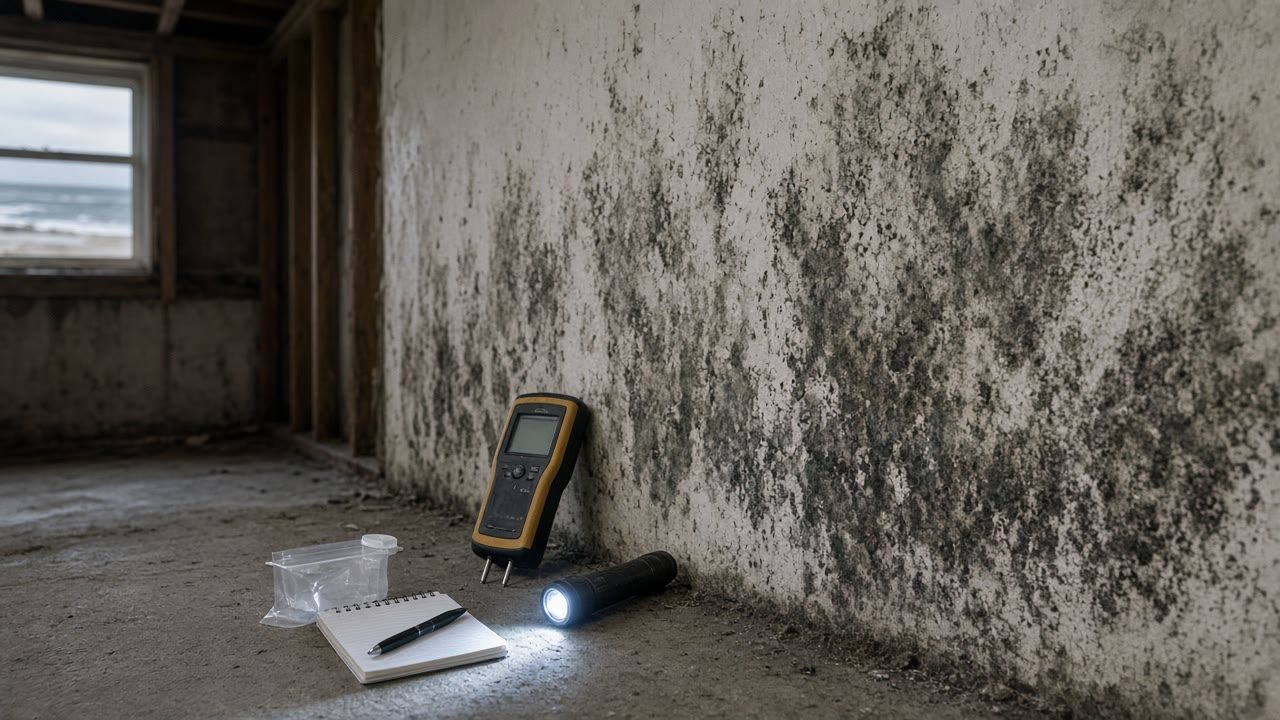
Mold Inspection quote
An assessor writes the scope and sells no removal. Tell us what you can see and which part of the building it is in, and we will say whether an inspection is the step you are actually on.
Would you rather talk it through? Call (315) 640-3590, answered 24/7.
$100 off your first job
Credited by us on your first booked job.
- One credit per customer per property, on your first booked job.
- Valid through December 31, 2026.
Mention this offer when you book. Full terms.
What a licensed assessment actually hands you
An inspection tells you three things you cannot get from looking at the stain: how large the affected area really is, what water is feeding it, and what a removal would have to include. New York calls this work mold assessment, licenses it on its own, and requires the assessor to put the result in writing. That written remediation plan is the useful part. It names the rooms and areas to be worked on, the estimated quantities of material to be cleaned or removed, the method for each area, the protective equipment, the clearance criteria, an estimate of cost and time, and the moisture sources it can identify, with a note on which trade should deal with them. It is also the document a co-op board, a landlord, a buyer or an adjuster will read, which is often the real reason somebody needs one.
- Walkthrough and measurement of the affected areas, because the square footage decides what kind of job this is
- Moisture meter and thermal imaging survey to map wet material behind finishes, which almost always runs further than the staining
- Inspection of the crawl space or vented enclosure below the living floor, where the air is outdoor air by design
- Air and surface sampling in the narrow set of cases where a sample changes a decision
- A written remediation plan with areas, quantities, methods, containment and the clearance criteria the removal contractor has to meet
- Post remediation assessment and the written passed clearance report that lets containment come down
- Documentation in a form a managing agent, a landlord, a buyer or an insurer will accept
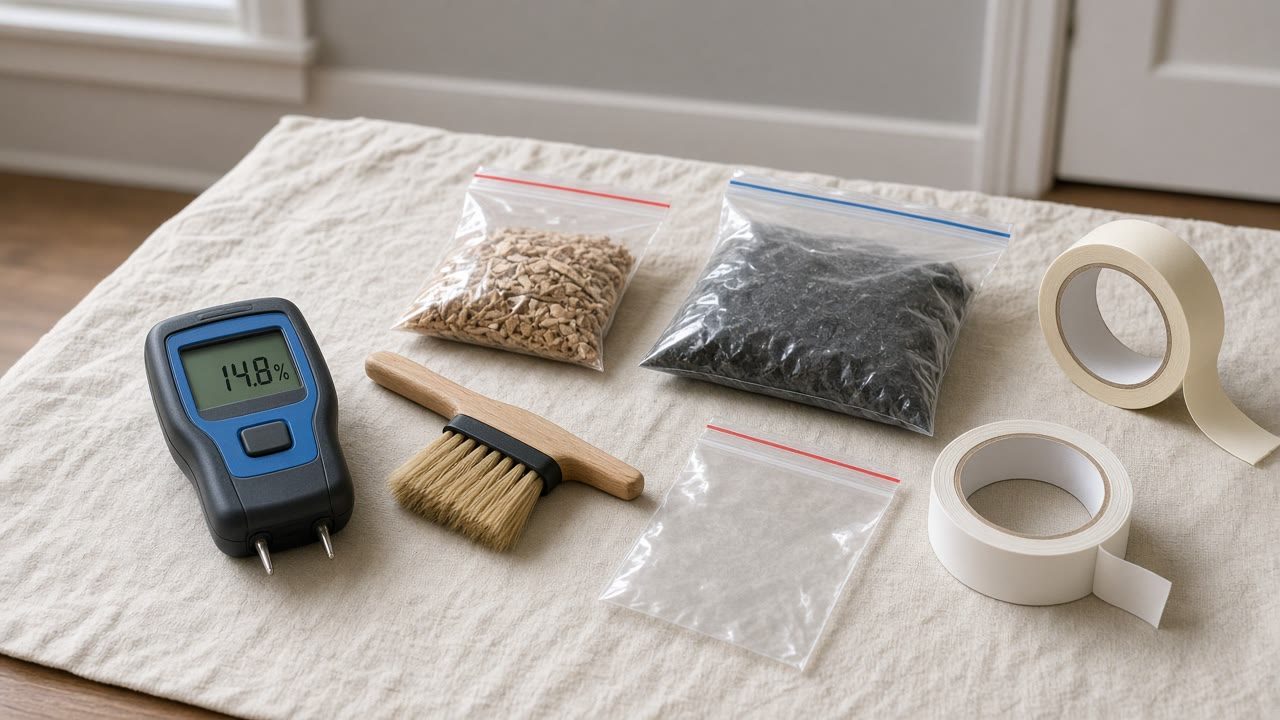
What decides the scope of an inspection on this coast
What an assessment involves is set by how much of the building has to be opened up before the question can be answered honestly. These are the things that move it.
How much of the growth sits on material that has to come out
New York State Department of Health says porous materials with extensive growth should be discarded, naming drywall, carpeting, paper and ceiling tiles. Growth on a painted masonry wall and the same patch on drywall produce two different plans.
Whether the space is one the code requires to stay open
Long Beach City Code Sec. 7-228(f)(3) requires an enclosure below the lowest floor in Zone AE to carry at least two openings, one square inch for every square foot of enclosed area, the bottom of each within a foot of grade. An assessor cannot write a plan that closes them, so the plan has to work on what is inside the space instead.
What has been built out or stored below the base flood elevation
FEMA states that insulation is not a flood resistant material, and lists appliances, heating and air conditioning equipment, ductwork, plumbing fixtures and non flood resistant materials as features not allowed below the base flood elevation. Every one of those found under a house is quantity in the plan.
Whether the wet material can be reached without opening the structure
Behind tile, under a floated floor, inside a wall cavity or above a finished ceiling, the extent is a guess until something is cut. An assessment that will not open anything is an assessment with a guess in it.
Whether the heating and cooling equipment sits in the damp space
Ductwork running out of a wet enclosure distributes into rooms that look perfectly dry, which turns a one room plan into a whole property plan.
Who has to read the report afterwards
A board, a managing agent, a landlord, a buyer or an adjuster each need different things documented. Say at the start who the audience is, because it changes what the assessor writes down.
Whether the property is occupied while the work happens
New York requires the plan to set out notification procedures for occupied buildings, and occupants change how the work area has to be isolated and sequenced.
Whether the decision belongs to somebody else
Census figures for 2020 to 2024 put 33.0 percent of Long Beach housing units in buildings of twenty or more units, against 9.0 percent across Nassau County. The person who found the growth frequently cannot authorize the work, and an assessment is what a board acts on.
Not every damp wall needs a report
Describe the space and how big the patch is. Ten minutes usually settles whether this is a written assessment or a bucket of warm water and detergent.
How an assessment runs, from the walkthrough to the clearance report
Measure it before describing it
The assessor records what is visible, what it is growing on, and how large the area is. Ten square feet is the line New York uses to decide whether this is a regulated project at all, and it is the same figure the EPA uses to decide whether a homeowner can reasonably do the job themselves.
Trace the moisture, not the stain
Meters and thermal imaging map the damp material behind and beneath the visible growth. This is usually the step that changes the number, because wet material runs further than discoloration does.
Read the space against what it is allowed to be
Under an elevated house the enclosure is required to be permanently open, and FEMA limits it to vehicle parking, building access and low value storage. If the space has been finished out, insulated or filled, the assessor is looking at the cause of the problem rather than a symptom of it.
Sample only where a sample changes the answer
New York State Department of Health says mold testing is not recommended, is not required by any regulatory agency, and that there is no state or federal standard for mold in homes. Sampling earns its place when there is a smell and no visible source, or when a dispute needs the condition on paper.
Write the remediation plan
Areas and quantities, method for each area, protective equipment, containment, clearance procedures and criteria, occupant notification, an estimate of cost and time, and the moisture sources with a recommendation on who should address them.
Come back after the removal and clear the work
The assessor verifies the work area shows no visible mold, that the work matched the plan, and that the underlying cause has been remediated, then issues a written passed clearance report. Nobody may take the containment down before that notice exists.
What mold inspection looks like
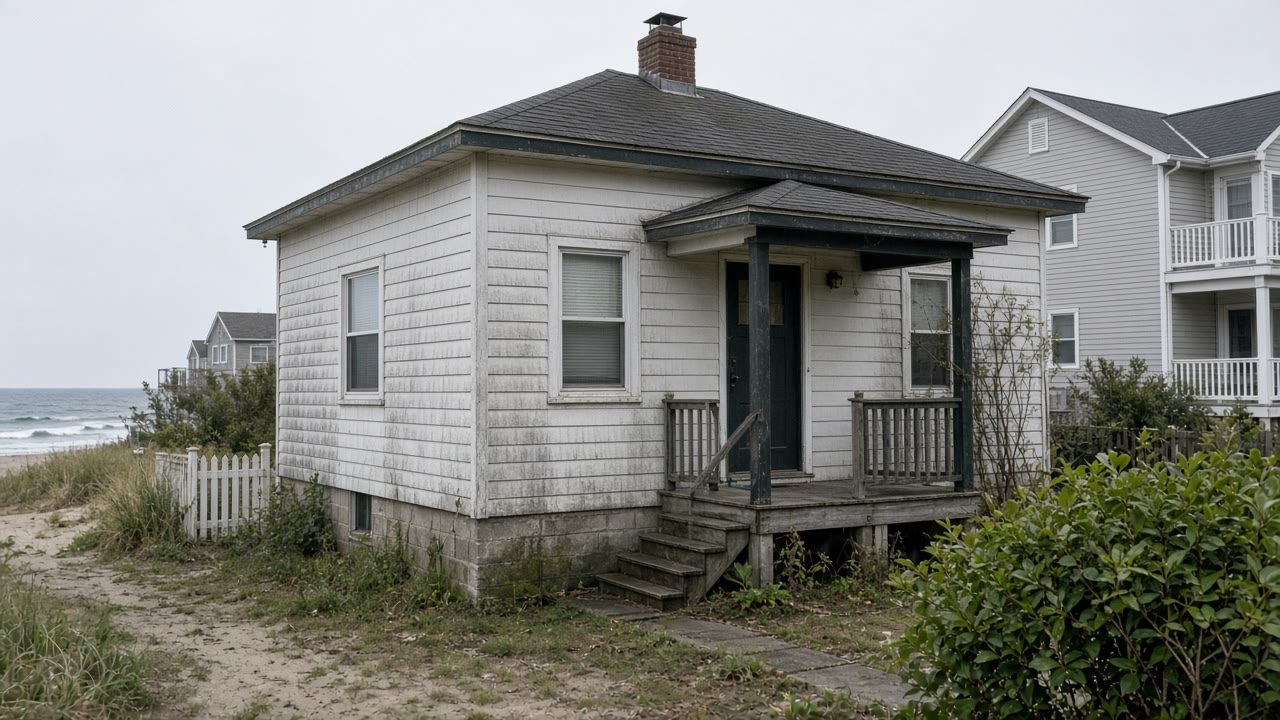
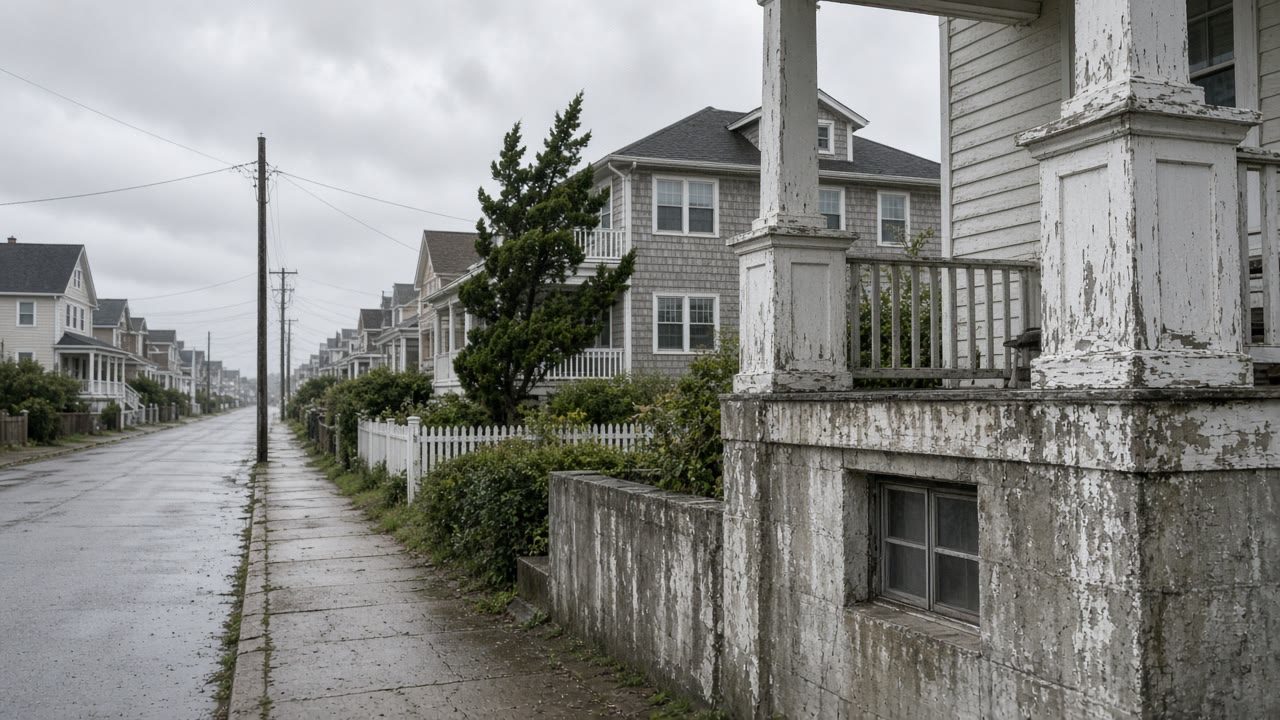
When an inspection is the wrong step, and what it never covers
When you may not need this at all
- If the affected area is smaller than about ten square feet, roughly a 3 ft by 3 ft patch, the EPA says in most cases a homeowner can handle the job themselves. New York's mold licensing rules do not reach a project that size either.
- New York State Department of Health says mold testing is not recommended, is not required by any regulatory agency, and that there is no state or federal standard for mold in homes. It adds that knowing which molds are present does not change the advice.
- If you can already see growth, a sample usually tells you nothing you are going to act on. Spend the money on finding the water instead.
- A residential property owner doing this work on their own property is exempt from the licensing requirement at any size, so a homeowner is allowed to inspect and clean their own wall.
- If water came in during the last day or two and nothing has started growing, drying the structure is the job in front of you and an assessment is premature.
- In a co-op or condo, New York State Department of Health says you may need to coordinate the work through the building's management company or owners' association. Find out whose decision it is before you commission anything.
- If you rent, the state's advice is to ask the landlord or superintendent in writing to inspect and repair it, and to ask the local building department or code enforcement official to inspect if that goes nowhere.
What is out of scope
- Removing, cleaning or disinfecting the mold. New York bars one licensee from performing both the assessment and the removal on the same property, and bars anyone from owning an interest in both.
- Fixing the plumbing, roof, siding, windows or grading that let the water in. The plan names the moisture source and recommends the trade; it is a separate job.
- Closing, sealing or insulating the openings in an enclosure below the base flood elevation. Federal flood rules and the City's own ordinance require them to stay open.
- Asbestos or lead paint work uncovered while investigating, both of which carry their own licensing.
- Any opinion about a person's health or what caused a symptom.
- Deciding what a homeowners or flood policy covers.
- Obtaining a City of Long Beach building permit, which the City says can only be obtained by a City licensed contractor or by the homeowner.
Where we arrange mold inspections
- Mold Inspection in Long Beach
- Mold Inspection in Lido Beach
- Mold Inspection in Point Lookout
- Mold Inspection in Atlantic Beach
- Mold Inspection in Island Park
- Mold Inspection in Oceanside
- Mold Inspection in East Rockaway
- Mold Inspection in Baldwin
- Mold Inspection in Freeport
- Mold Inspection in Rockville Centre
- Mold Inspection in Merrick
- Mold Inspection in Valley Stream
What people ask before booking an inspection
Do I need an inspection if I can already see the mold?
For anything over about ten square feet in New York, yes, and not because of the growth. The removal contractor cannot lawfully work from nothing: the state's Department of Labor says the law does not allow a licensed remediator to work on a project without an assessment from a licensed assessor, even where the owner offers a waiver. For a small patch on a hard surface with a cause you already know, the EPA's own guidance is that most people handle it themselves.
Is testing the same thing as an inspection?
No, and conflating them is how people end up paying for a lab report they cannot use. An assessment is an inspection designed to find mold and the conditions feeding it, and it ends in a written plan. Testing is sampling, which New York State Department of Health says is not recommended and is not required by any agency. Sampling is worth paying for when you can smell it and cannot find it, or when somebody else needs the condition documented.
Why can't one company inspect it and then remove it?
New York Labor Law section 936 forbids it. The same licensee may not perform both on one property and no one may own a piece of both. That separation matters more here, not less: in a vented space under an elevated house there is no leak to point at, so the size of the job is a judgment call, and the party making that call should not be the party paid by the answer.
What does the clearance report at the end actually say?
That the work area shows no visible mold, that the work matched the plan, and that the underlying cause has been remediated. That last clause is the interesting one under a Long Beach house, because the cause includes openings the City's ordinance requires and nobody may close. What can honestly be cleared is a space with the finishes, the insulation and the stored material taken out of it.
Nobody will quote me a price. Why not?
Because the state says the number belongs in the assessor's plan. New York's Department of Labor position is that cost estimates for mold remediation should not be provided in the absence of an assessment, since that removes the whole point of having an independent assessor and a separate contractor. The estimate of cost and the time frame are required parts of the written plan.
What about black mold?
Dark staining is what people can see, and color is not what decides the work. New York State Department of Health says knowing which molds are present does not change the advice: control the moisture, discard porous material with extensive growth, and clean what can be cleaned. Area, material and the water source set the scope.
Tell us what you can see
We will say whether a written assessment is what your situation needs. There is no obligation in asking.