
Mold Services for Long Beach and the South Shore
Start with what the house is doing: damp crawl space, post-storm water, or a musty wall. Then match assessment or remediation under New York split-license rules.
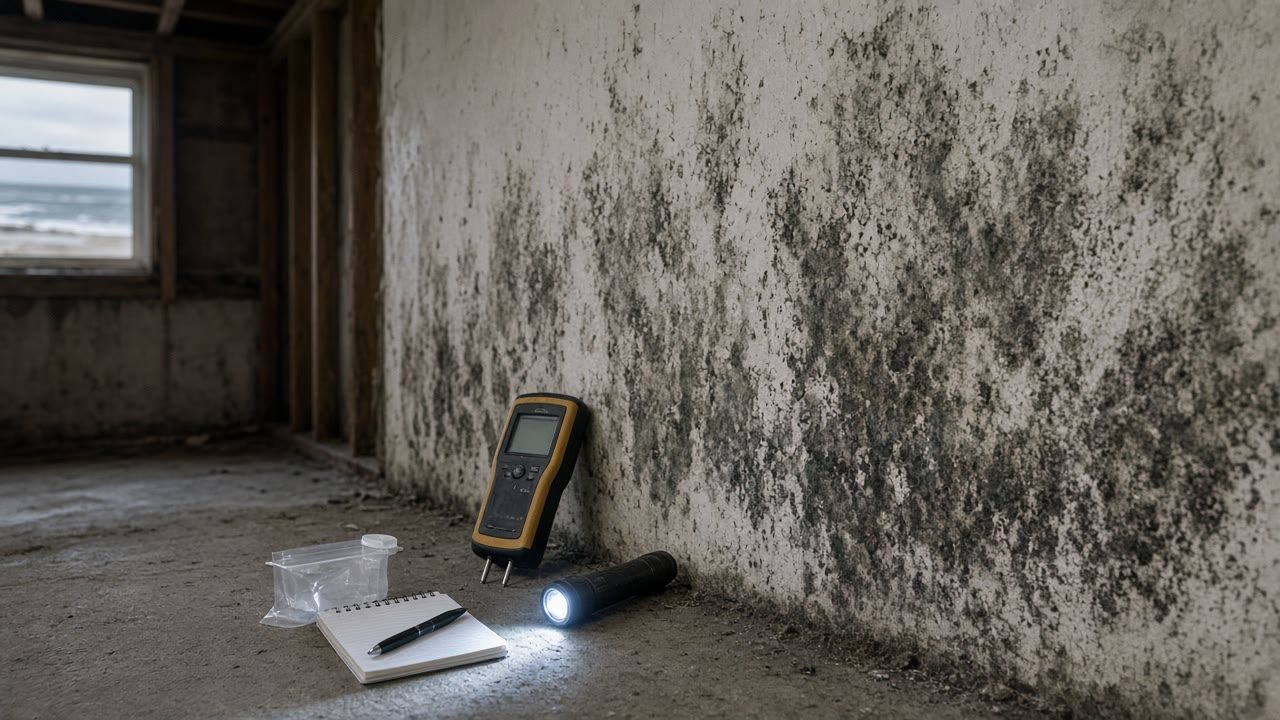
What we arrange
Mold Inspection and Assessment
An inspection tells you three things you cannot get from looking at the stain: how large the affected area really is, what water is feeding it, and what a removal would have to include. New York calls this work mold assessment, licenses it on its own, and requires the assessor to put the result in writing. That written remediation plan is the useful part. It names the rooms and areas to be worked on, the estimated quantities of material to be cleaned or removed, the method for each area, the protective equipment, the clearance criteria, an estimate of cost and time, and the moisture sources it can identify, with a note on which trade should deal with them. It is also the document a co-op board, a landlord, a buyer or an adjuster will read, which is often the real reason somebody needs one.
Read more →Mold Removal and Remediation
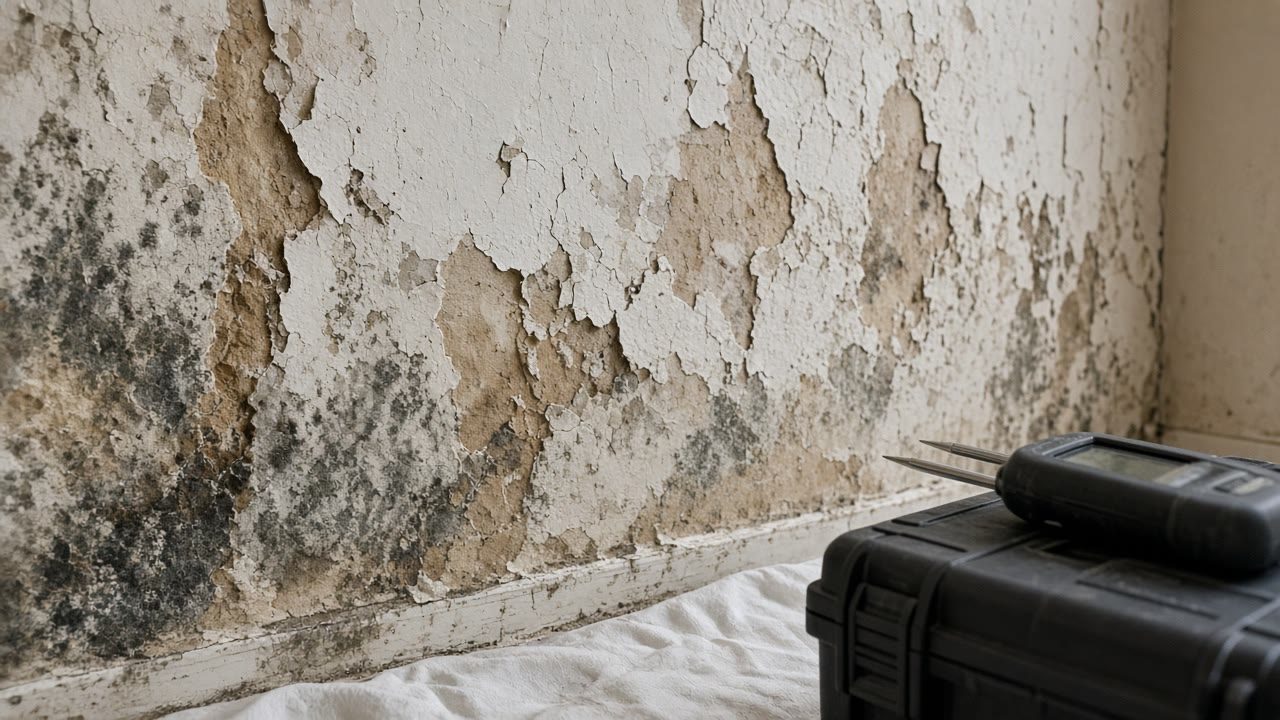
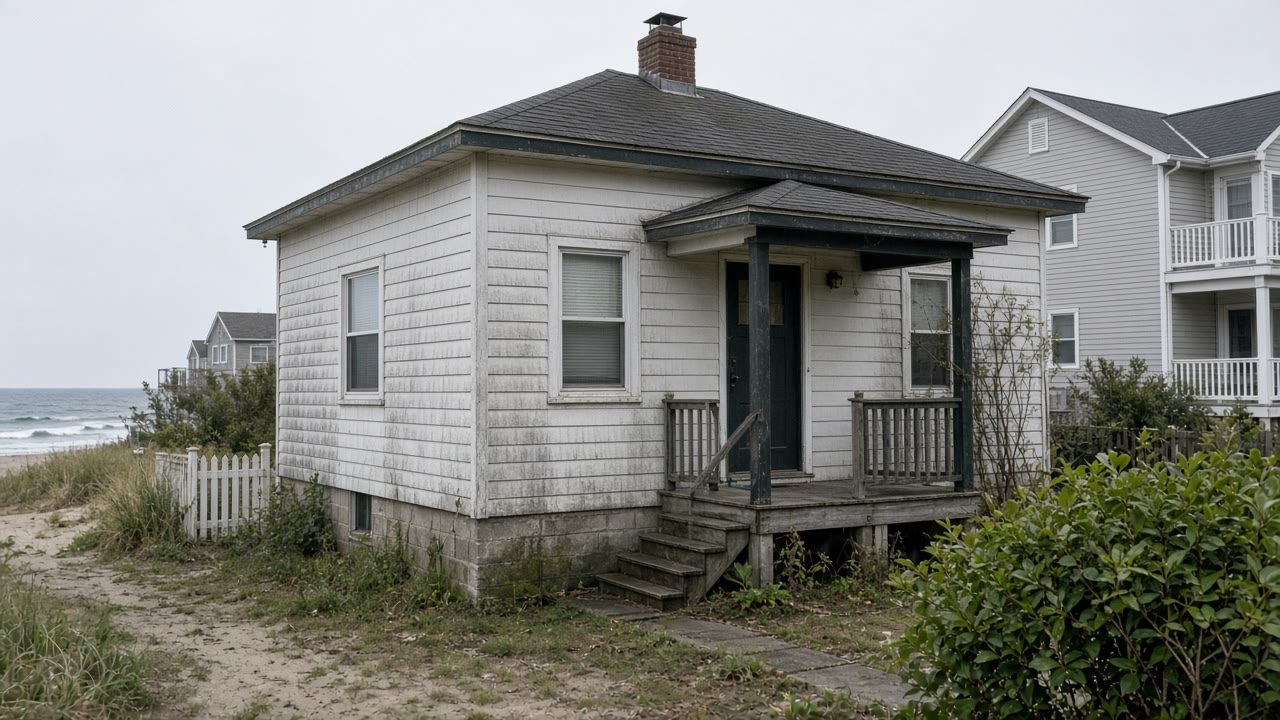
Removal is the half of the job where material leaves the house. A licensed remediation contractor works to the written plan the assessor produced: containment and air control first, then out with the porous material that cannot be cleaned and dried, then cleaning and drying of what can be saved, then final cleaning. The containment stays up until an independent assessor confirms in writing that clearance has been achieved. Remediation is the trade's word and the state's word for it; most people type mold removal, and they mean the same work. What tends to surprise Long Beach owners is where the volume comes from. Under an elevated house, most of what is worth paying to remove is the insulation, the finishes and the stored material, because the damp itself comes from openings the City's ordinance requires to stay there.
Read more →Water Damage Restoration
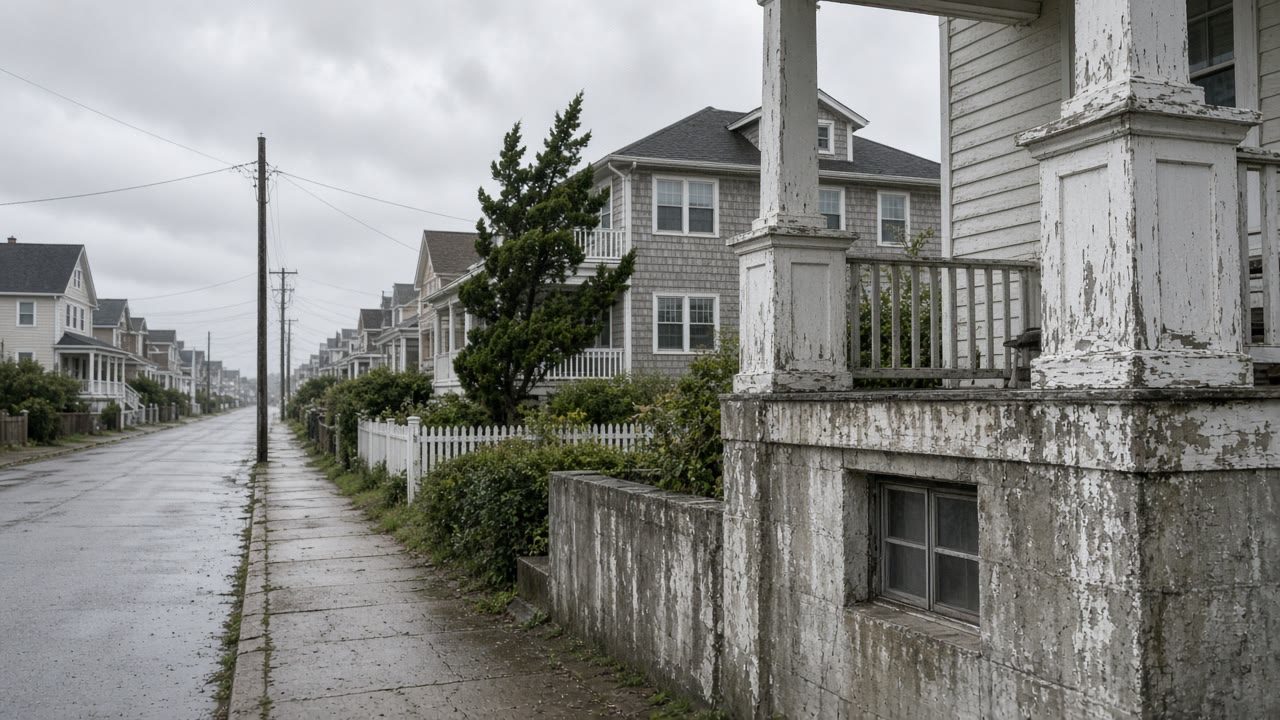
This is the fast half of the trade: extraction, removal of material that cannot be dried in place, then air movers, dehumidification and daily moisture readings until the structure reads dry. It runs on a different clock from a mold job and usually answers to a different insurer. FEMA says a crawl space should drain within 72 hours, and that where water stands after rain or a flood the moisture damage to a building can be severe, creating health hazards including growth of bacteria, mold and fungus. Water here does not only arrive through the roof. The City's own Comprehensive Plan describes four vectors: rainfall from above, surge from Reynolds Channel on the bayside, surge from the Atlantic, and standing water from the fresh water lens beneath the City, and says that because of the high water table flooding is a regular occurrence.
Read more →The equipment these jobs actually arrive with
Not sure which one you need?
Describe the problem and we will point you to the right work.
Request a Quote
Tell us what you are seeing and which part of the building it is in. On a barrier island the room matters as much as the stain, and that is usually enough for us to say which licensed trade you actually need.
Would you rather talk it through? Call (315) 640-3590, answered 24/7.
$100 off your first job
Credited by us on your first booked job.
- One credit per customer per property, on your first booked job.
- Valid through December 31, 2026.
Mention this offer when you book. Full terms.
Tell us what you are seeing
Tell us what you are dealing with and we will take it from there.