
Water Damage Restoration in Long Beach, NY
Tell us when water stopped in Long Beach and which rooms stayed wet overnight.
Water Damage Restoration quote in Long Beach
Tell us what you are seeing and which part of the building it is in. On a barrier island the room matters as much as the stain, and that is usually enough for us to say which licensed trade you actually need.
Would you rather talk it through? Call (315) 640-3590, answered 24/7.
$100 off your first job
Credited by us on your first booked job.
- One credit per customer per property, on your first booked job.
- Valid through December 31, 2026.
Mention this offer when you book. Full terms.
Drying after water events in Long Beach
Water damage drying in Long Beach is a race against how long framing, insulation, and finishes stay wet after a flood, surge, or plumbing failure. Long Beach City Code Sec. 7-227(b) makes it unlawful to undertake any development in an area of special flood hazard without a valid floodplain development permit, and Sec. 7-225 defines development to include storage of equipment or materials. A violation carries a fine of up to $250 or fifteen days, each day of noncompliance is a separate offense, and a structure found non compliant without an approved variance is declared non compliant with notification sent to the Federal Emergency Management Agency. Barrier-island and South Shore air make sealed-room tricks less reliable when crawl spaces must stay open, so drying often targets materials directly. Start mitigation as soon as it is safe; mold licensing work is a later chapter if growth is already present.
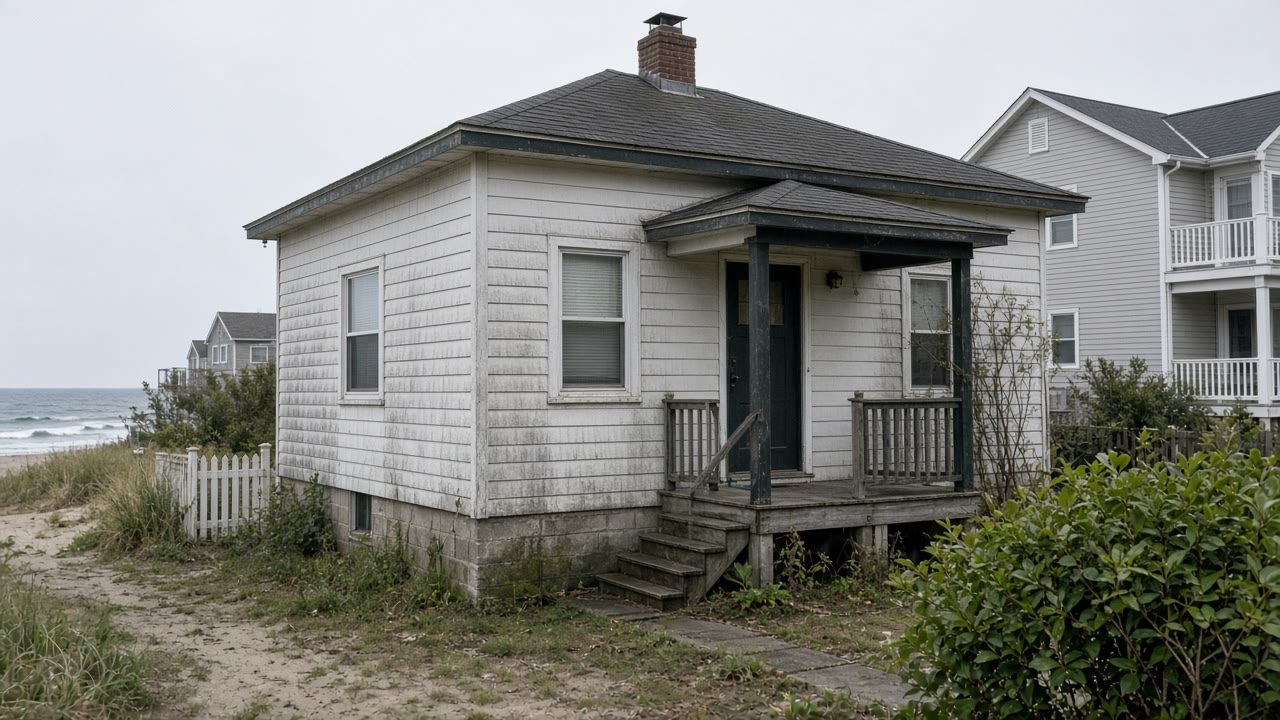
What water damage restoration involves in Long Beach
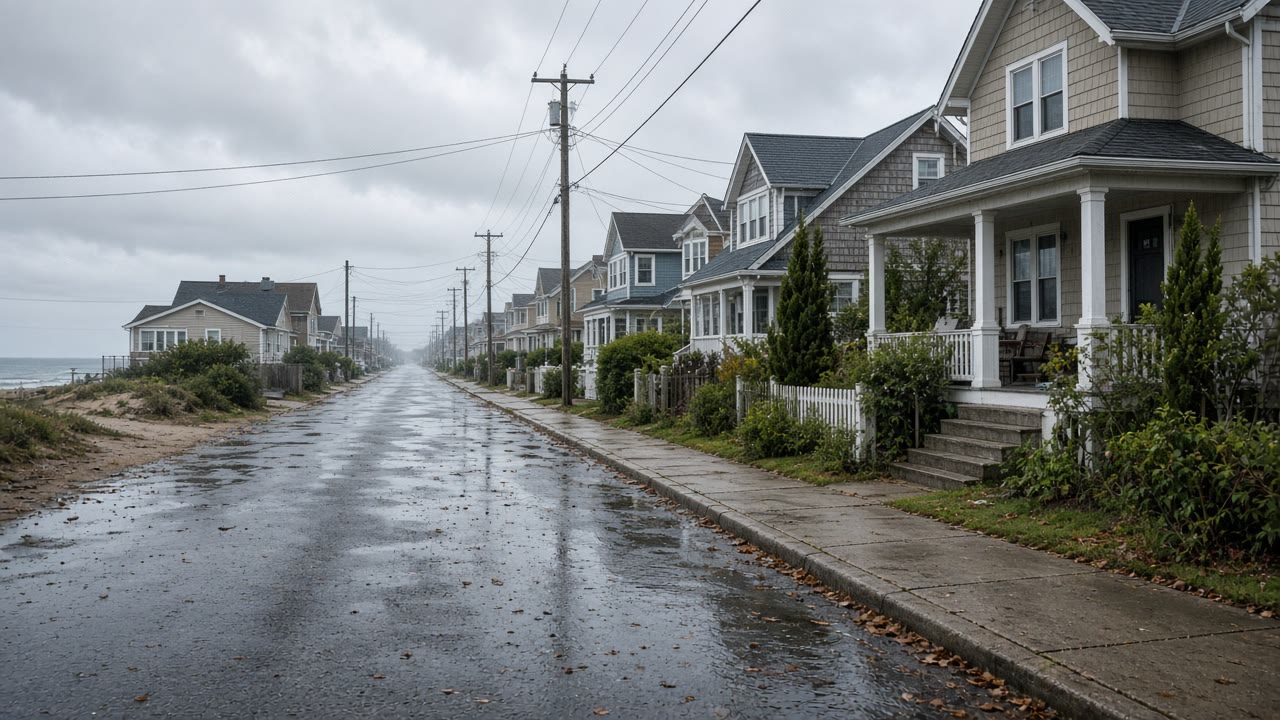
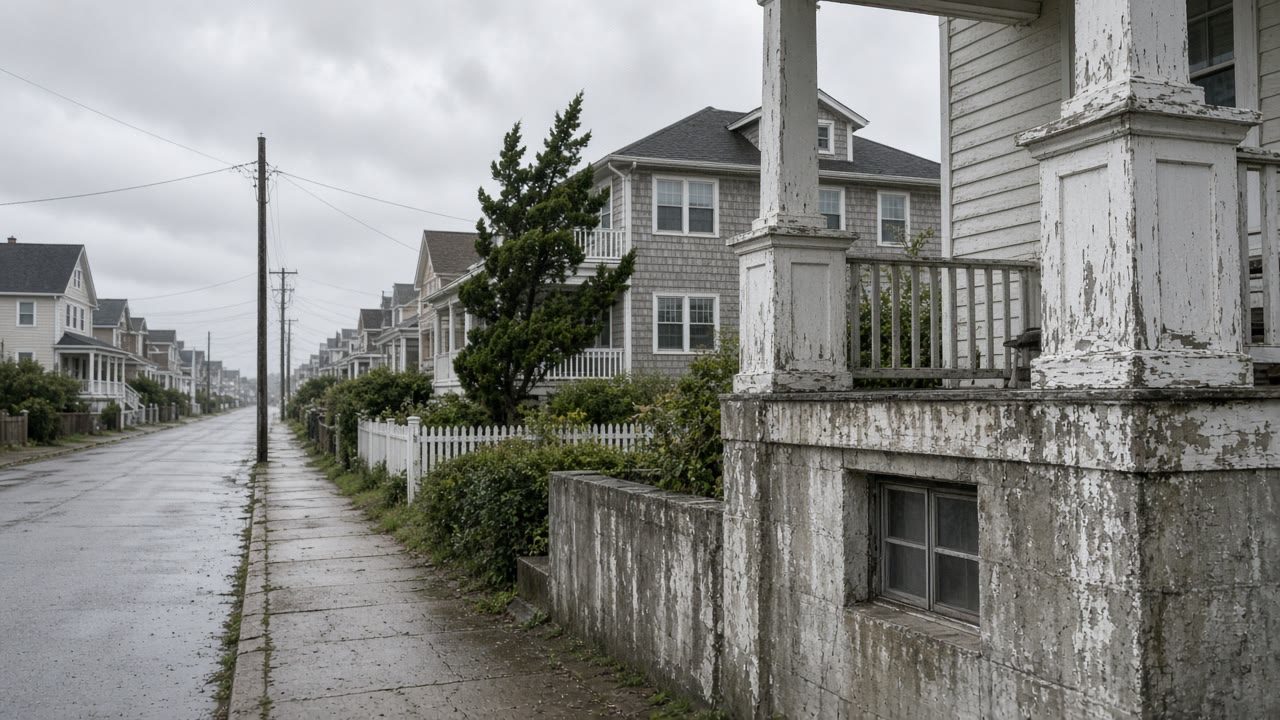
What slows drying in Long Beach
In Long Beach, the drying decision turns on water source, how long materials stayed wet, and whether the space can be closed. Long Beach City Code Sec. 7-228(f)(3) requires an enclosed area below the lowest floor in Zone AE to have at least two openings totaling one square inch per square foot of enclosed area, the bottom of each no higher than one foot above the lowest adjacent finished grade, and openings not less than three inches in any direction. The City also defines a crawl space as an area that shall be properly vented to allow for the equalization of hydrostatic forces, and states that enclosed areas sub grade on all sides are considered basements and are not permitted. If the house sat vacant after a storm, expect a wider material check than a same-afternoon catch.
Local constraint in Long Beach
Opening a wall in Long Beach is permit work, and the City's Building Department page states that a building permit can only be obtained by a City of Long Beach licensed contractor or by the homeowner. That single sentenc
Town-specific evidence
Long Beach City Code Sec. 7-228(f)(3) requires an enclosed area below the lowest floor in Zone AE to have at least two openings totaling one square inch per square foot of enclosed area, the bottom of each no higher than
Licensed sequence
Drying is mitigation; mold remediation is separate if growth already meets licensing thresholds.
Evidence for Long Beach
Long Beach City Code Sec. 7-228(f)(3) requires an enclosed area below the lowest floor in Zone AE to have at least two openings totaling one square inch per square foot of enclosed area, the bottom of each no higher than one foot above the lowest adjacent finished grade, and openings not less than three inches in any direction. The City also defines a crawl space as an area that shall be properly vented to allow for the equalization of hydrostatic forces, and states that enclosed areas sub grade on all sides are considered basements and are not permitted.
Source: City of Long Beach Code of Ordinances, Sup. 87, accessed 2026-09-14
In the VE zone along the ocean front, Long Beach City Code Sec. 7-228(f)(4) requires the space below the lowest floor to be either free from obstruction or built with non supporting breakaway walls, open wood lattice work or insect screening designed to collapse under wind and water loads, and states that use of this space for human habitation is expressly prohibited. FEMA adds that crawlspace construction is not permitted in V zones at all.
Source: City of Long Beach Code of Ordinances, Sup. 87, accessed 2026-09-14
Long Beach City Code Sec. 7-227(b) makes it unlawful to undertake any development in an area of special flood hazard without a valid floodplain development permit, and Sec. 7-225 defines development to include storage of equipment or materials. A violation carries a fine of up to $250 or fifteen days, each day of noncompliance is a separate offense, and a structure found non compliant without an approved variance is declared non compliant with notification sent to the Federal Emergency Management Agency.
Source: City of Long Beach Code of Ordinances, Sup. 87, accessed 2026-09-14
FEMA names the outcome directly: where water remains standing in a crawlspace after precipitation or a flood event, moisture damage to a building can be severe and the standing water creates significant health hazards including growth of bacteria, mold and fungus. FEMA recommends the space drain within 72 hours.
Source: FEMA, NFIP Technical Bulletin 11, November 2001, accessed 2026-09-14
Federal flood regulation at 44 CFR 60.3(c)(5), quoted in FEMA NFIP Technical Bulletin 1, requires that a fully enclosed area below the lowest floor of a new or substantially improved building be designed to let floodwater in and out on its own, with at least two openings totaling one square inch of net open area for every square foot of enclosed area, the bottom of each opening no higher than one foot above grade.
Source: FEMA, NFIP Technical Bulletin 1, March 2020, accessed 2026-09-14
Still choosing the first step in Long Beach?
Describe the property and we will name the licensed activity that fits.
Other work in Long Beach
Long Beach FAQ for water damage restoration
How fast should drying start after water in Long Beach?
As soon as entry is safe. Standing water and wet porous goods grow mold risk within days if they stay damp.
Is drying enough when Long Beach already shows mold?
Drying stops active wetting. Visible or suspected mold above New York thresholds still needs the assess-then-remediate sequence.
Send details from Long Beach
We will confirm whether water damage restoration is the right move.